

Hello from Victoria’s boulevard garden co-op
The idea is simple. Property hosts share water and boulevards (the grassy strip between sidewalk and street). We install raised beds and soil. You join a community garden that grows to meet demand*. Come turn urban grass into farmland with us — no space required!
In early 2026, we quit our day jobs and started building Curbside full-time. Ten months later, we can finally say “Curbside exists”. The land-sharing model that promises a scalable garden network and novel third spaces is starting to prove itself. It’s been a great year; we’ve taken our first breath. But the boulevards are still mostly empty, cooperatives are still mostly misunderstood, and BC still imports roughly two thirds of its food supply (by weight, as of 2018).
* Currently only in James Bay. Fairfield coming soon.
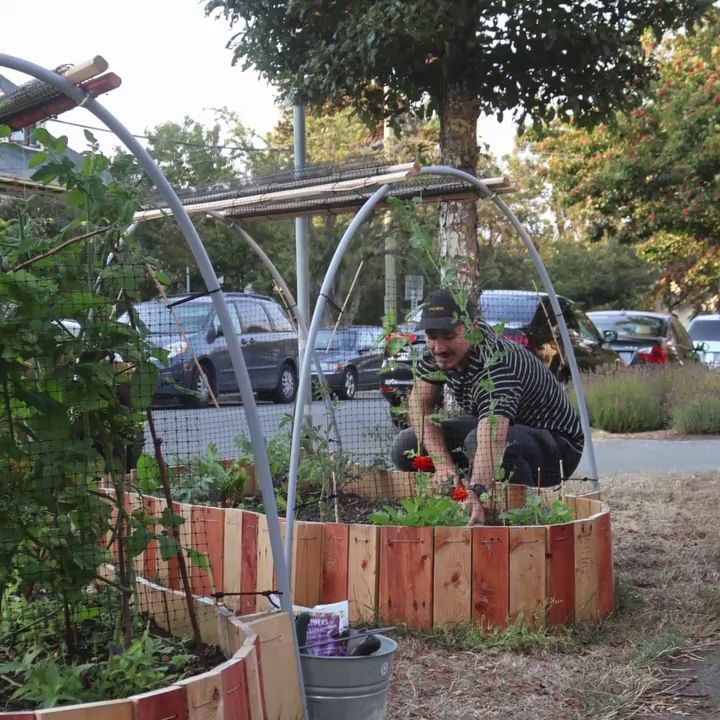
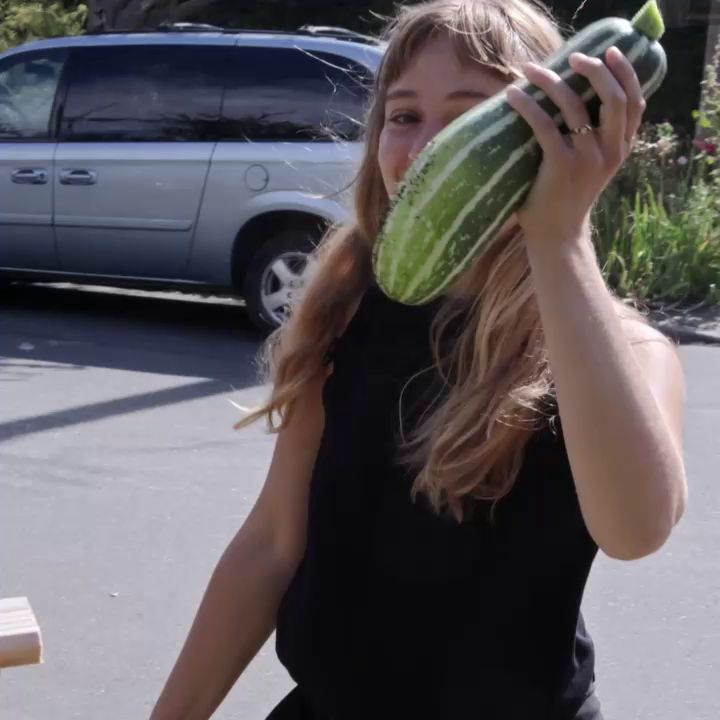
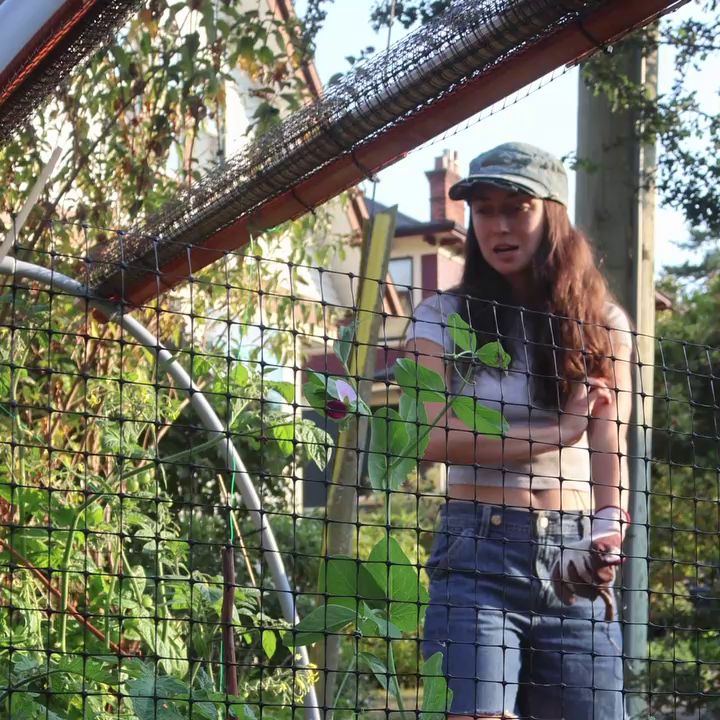
Regular gatherings keep us connected sane
With workshops and potlucks throughout the year, Curbside fosters the social fabric that makes community gardening special.

🧄The Garlic Growing Gathering🧄
Thanks, Athena, for sharing your garlic wisdom!
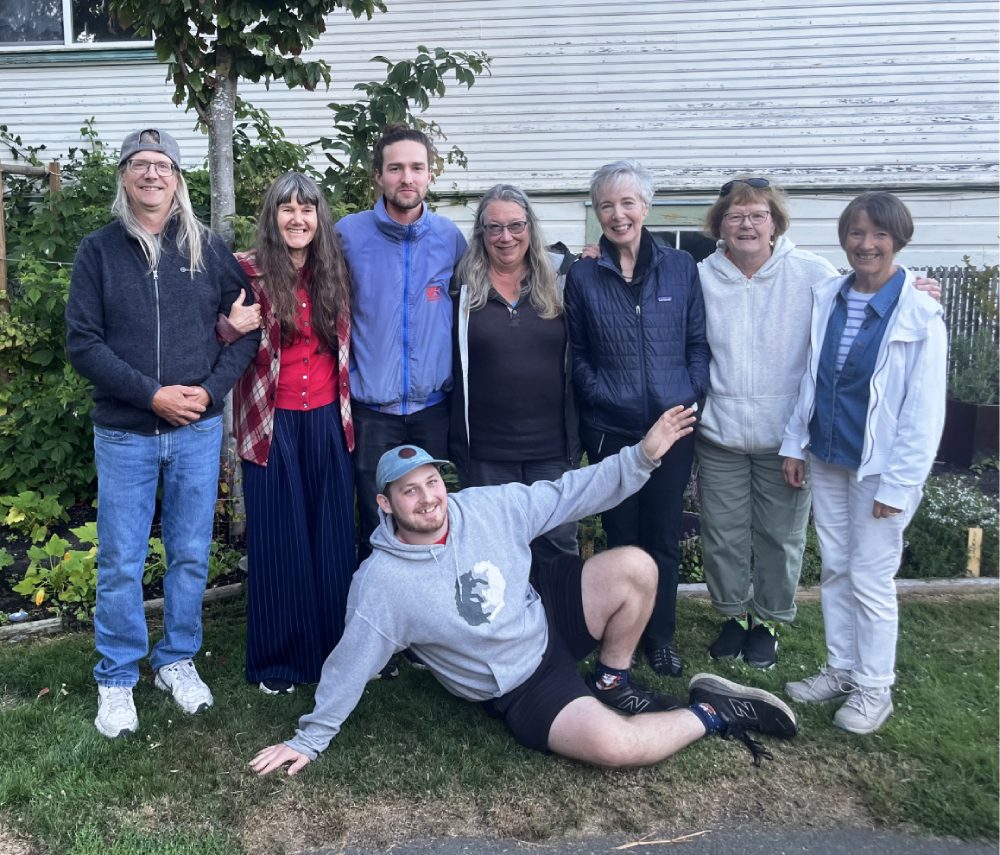
Potluck in the Park w/ Rithet St. Butterfly Gardens
It was a genuine delight to spend time with familiar faces, and learn more about all the new ones at the table! Thank you all!
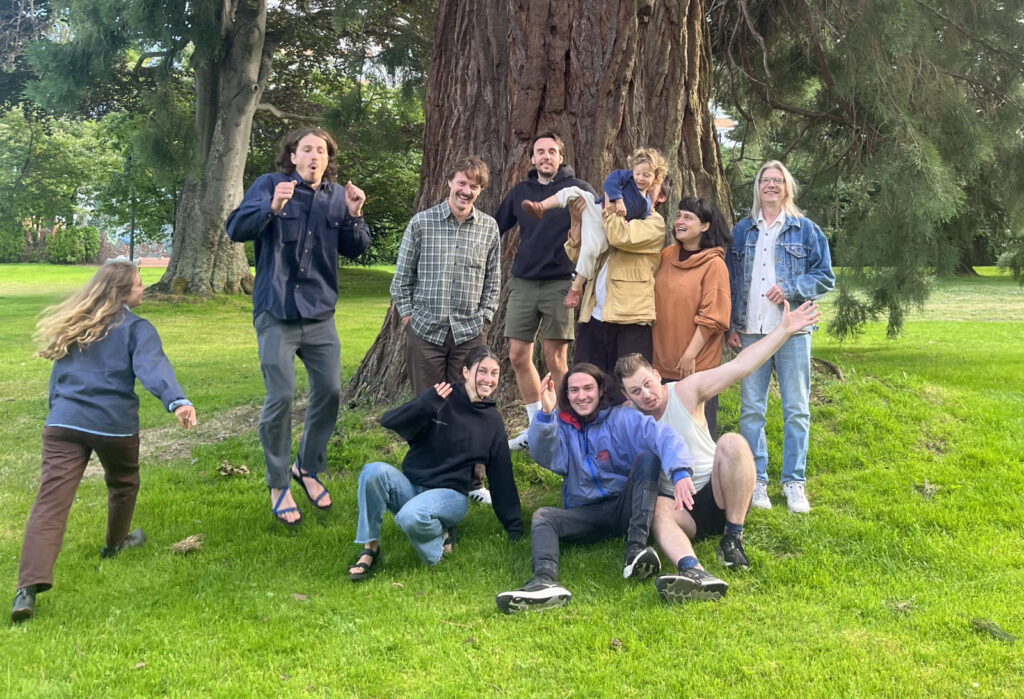
Curbside’s First Potluck Picnic in the Park!
Big thank you to everyone who made it out to the potluck. The food was amazing, and the company was even better!
Why our gardens are free (and how to keep them that way)
Much that is good cannot be captured in a contract of sale. Consider: the value of neighbourly relations, the sneaking satisfaction of skills slowly honed, and the strange buoyancy of finding the world to be other than you thought it was.
These are the purpose of our gardens (and our events), so our gardens and events must remain free.
Money for our operations must come, instead, partly from the sale of our products (coming soon) whose value is tangible enough to transact, and largely from the support of people whose lives we’ve touched or may someday touch.
Maybe this is you.
| Donor | Amount | When |
|---|---|---|
|
Arlo
|
$12.00 monthly | |
|
Claire
|
$100.00 | |
|
Arlo
|
$12.00 monthly | |
|
Anonymous
|
$100.00 | |
|
Anonymous
|
$200.00 | |
| and 1 more | ||
or learn more about donations
A question well stated is a problem half-solved
Our full FAQ page has more answers specifically for hosts and gardeners.
Unlike at regular community gardens, there are no water outlets readily available on the boulevard. In our program, gardeners will share a spigot, and potentially a hose, with the property host whose boulevard they’re using. We hope this will be an opportunity to enjoy the acquaintance of some of your neighbours.
We make them ourselves out of used pallets! The process involves several steps — from pallet collection and breakdown, to plank processing, to bed assembly — some of which happen in pop-up “shop” spaces and others which are carried out with program participants on “build days”. Building beds together makes for a fun activity and using pallet wood results in a unique, rustic look. Learn more.
It depends on the tool and on the particular arrangements between gardeners and property hosts. Small tools like trowels could be carried to the garden site by gardeners. Large tools like spades may be stored by Curbside in a centralized location and made available upon request. Some tools may be stored with the property host if both parties are comfortable with that, but this is not a requirement.
Absolutely. You can learn more about this here.
Ahhh, friend... *long, wistful sigh*... a question only those who’ve lost something would ask. First of all, we grieve with you. Second, our beds have netting built in. You may see photos of circular beds on our site — those are an old design. After our gardens were razed in 2025, we spent several months designing netting fixtures right into the bed itself.
This is an important question and we’re in the process of preparing a thorough review of the subject. In the meantime, though, we’ll cover our key takeaways here, which we encourage you to supplement with your own research.
There are two main ways roads can contaminate a boulevard garden. First, the soil itself, which may have accumulated contaminants over many years. Curbside is largely shielded from this one since we use raised garden beds with clean soil imported from elsewhere.
Second, the settling of particles on the leaves of food crops (e.g., exhaust particles, tire microplastics, brake dust). This one is not irrelevant but is not likely to pose a significant risk because we’re not growing on major thoroughfares in James Bay (growing on Blanshard would be different). Washing leafy crops is still advised, as it is when buying from the grocery store, but overall we haven’t found anything to indicate that road contaminants are a serious concern in our situation.
There are other vectors worth being aware of, such as road runoff/splashes of oils/hydrocarbons onto beds and soil (largely mitigated by the 0.6 m offset from curbs required by city guidelines) and salt/de-icers (more of a plant health concern than a food safety one), but our overall impression remains that these concerns are minor.
Again, please research to your own satisfaction and we’ll publish more on this soon.


